Yes, you can use ChatGPT for free in 2026 — no credit card, no trial that expires. You sign up at chat.openai.com or the app, and you get access to a current OpenAI model with usage limits. The free plan is genuinely useful for everyday writing, questions, and learning; you only hit walls with heavy use or advanced features.
Short answer: Go to chatgpt.com or download the app, create a free account, and start typing. Free users get a current model (documented around GPT-5.3, with limited GPT-5.5 access) at roughly 10 messages per 5 hours before it drops to a smaller model. It is free forever for basic use — you pay only if you want higher limits or advanced tools.
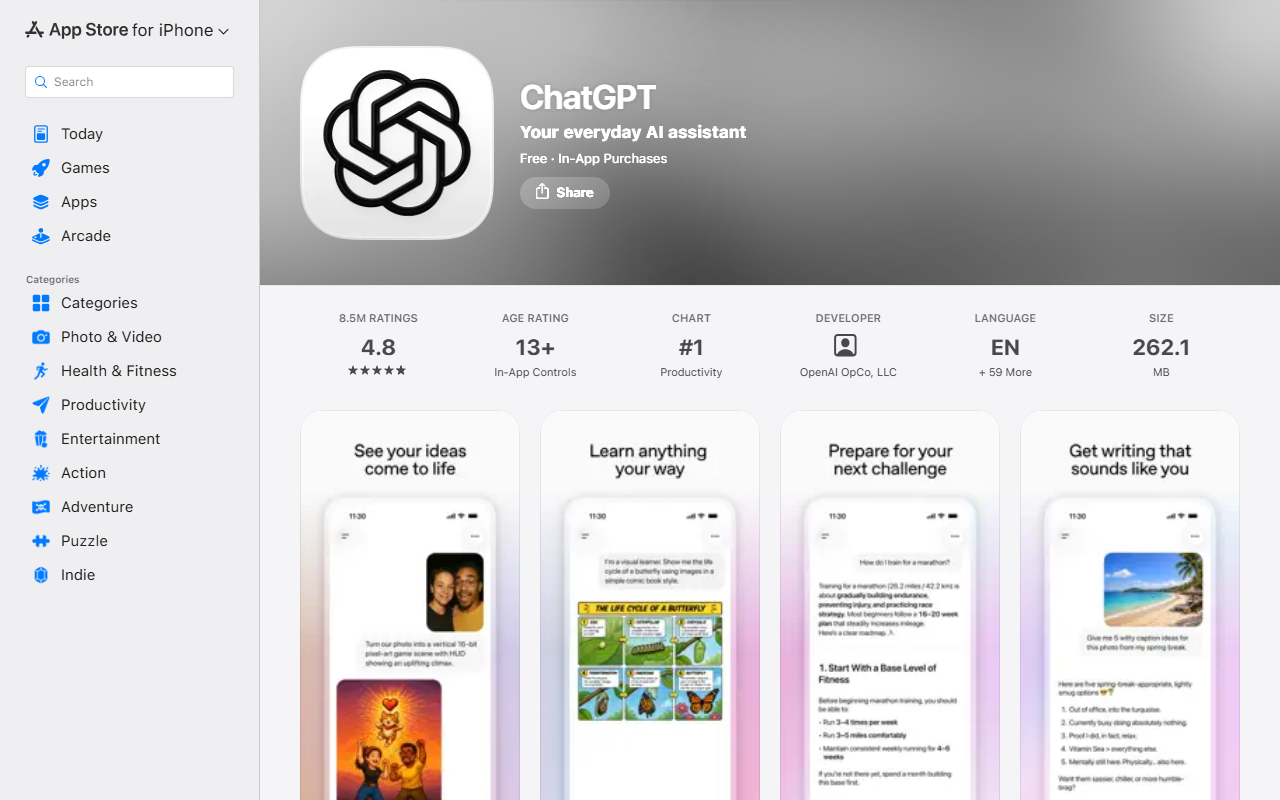
I work with these models every day, so here is the honest, current picture of what "free" actually gets you, where the limits are, and how to stretch the free plan further without wasting money.
How to start using ChatGPT for free
Related: use ChatGPT without logging in.
Related: use ChatGPT for free without login.
- Go to chatgpt.com in any browser, or install the ChatGPT app on iOS or Android.
- Sign up with an email, or a Google, Microsoft, or Apple account. No payment details are required for the free plan.
- Start typing in the message box. That is the whole setup — you are using ChatGPT for free immediately.
- Your chat history saves to your account, so you can pick up conversations across your phone and laptop.
You can also use ChatGPT without an account for very basic queries, but signing up (still free) gives you saved history and a better model, so it is worth the minute it takes.
What the free plan actually includes
The free tier in 2026 runs a current OpenAI model. There is some documentation ambiguity here worth being honest about: OpenAI markets broad access to its GPT-5.5 family, while the clearly documented free entitlement points to GPT-5.3, with limited GPT-5.5 access inside a rolling window. Either way, free users are on a genuinely modern model, not an old one — the original GPT-5 and GPT-4o were retired in February 2026.
Practically, a free account gives you the same web and mobile apps that paid users get, saved chat history, and basic file uploads so you can ask about a PDF, image, or spreadsheet. That covers the large majority of what most people need ChatGPT for. You can confirm the current plan details on the official ChatGPT pricing page.
The real free limits
Here is where you should set expectations. The most consistent figure across current sources is about 10 messages every 5 hours on the default model. When you hit that cap, ChatGPT does not lock you out — it falls back to a smaller, faster "mini" model that handles simple questions fine but struggles with complex reasoning, long documents, or detailed code. The limits can also flex based on demand, so a busy period may tighten them, per OpenAI's own help documentation on GPT-5.5.
A few other free-tier realities in 2026: the context window is smaller (around 16K tokens), which means very long documents get truncated; since February 2026 the free tier shows ads in the United States; and free-tier conversations may be used to improve OpenAI's models by default, though you can opt out in settings. Advanced features — Deep Research, Sora image and video generation, and Agent Mode — are paid-only.
How to get more out of the free plan
You can go a long way on free if you use it well:
- Batch your hardest questions into the window when you have full-model access, and let the mini model handle simple lookups after you hit the cap.
- Write tighter prompts. Because the context window is smaller, paste only the relevant section of a long document rather than the whole thing, and state exactly what you want back.
- Start a fresh chat for a new topic so the model is not dragging along irrelevant earlier context that eats your window.
- Turn off training in Settings if you would rather your chats not be used to improve the models.
- Use it for drafting, not final facts. Treat anything with numbers, dates, or citations as a draft to verify — this is true on every plan, not just free.
What free ChatGPT handles well — and where it strains
In my testing, the free plan is comfortably enough for the everyday jobs most people bring to it: drafting and rewriting emails, summarizing an article or a PDF, explaining a concept at whatever depth you ask for, meal plans, travel outlines, cover-letter drafts, and study help. These are short tasks with short context, which is exactly the shape the free tier is built for.
It strains on three kinds of work. Long documents are the first: roughly 16K tokens of context means a lengthy contract or a thesis chapter gets truncated, and the model will confidently answer about only the part it can see. The second is high-volume sessions — a long back-and-forth burns through the message cap quickly, and the mini model that takes over is noticeably weaker at reasoning and code. The third is anything where being wrong is expensive: the free model is not less truthful than the paid one, but you have fewer messages to double-check with, so verify numbers, dates, and citations somewhere else before relying on them.
Common mistakes that waste the free plan
The message cap makes efficiency matter, and most wasted messages follow the same patterns. Pasting a whole document when one section is relevant burns context and usually gets a vaguer answer. Asking a multi-part question one part at a time spends five messages where one well-structured prompt would do. Carrying a long conversation into a new topic drags old context along and degrades answers — start fresh chats liberally, they cost nothing. Re-asking the same question hoping for a better answer rarely beats rephrasing it with more specifics. And arguing with the model about a wrong answer wastes messages you could spend asking it to show its reasoning step by step, which exposes the error faster. Knowing how to use ChatGPT for free effectively is mostly about avoiding these five habits.
Free alternatives when you hit the wall
ChatGPT's free plan is not the only good one. Claude's free tier is strong on writing quality and careful long-form answers. Google's Gemini free tier is generous with limits and fits naturally if you live in Gmail and Docs. Microsoft Copilot gives free access to OpenAI models through Bing and Windows. Rotating to a second free tier when you hit ChatGPT's cap is a legitimate strategy — the models differ enough that a second opinion is often useful anyway, and none of them asks for a card.
When free is enough (and when to look elsewhere)
For everyday writing, brainstorming, summarizing, studying, and general questions, the free plan is genuinely enough for most people — do not pay $20/month until you actually feel the limits. You should consider upgrading or switching only if you need higher message limits, longer documents, image generation, or agent features regularly.
If your main use is content creation at volume, a dedicated tool may fit better than ChatGPT Plus — see my ranked guide to the best AI writing tools. If you are a teacher, several classroom-specific tools are free and better suited than raw ChatGPT; I cover them in best AI tools for teachers. And if your work is code, ChatGPT is not always the best pick — my guide to ChatGPT alternatives for coding walks through the stronger options. If you do decide to pay for a dedicated writing tool instead, start with my Jasper vs Copy.ai comparison — those are the two most people end up choosing between — or the full Jasper review for the deeper look at the premium option.
My take
ChatGPT's free plan in 2026 is one of the best free tools available, full stop. A modern model, saved history, file uploads, and enough daily capacity for real work, all for nothing. The limits are real but reasonable, and most people never need to pay. Start free, use it for a few weeks, and only upgrade if you consistently bump into the message cap, the smaller context window, or the paid-only features. Let the actual friction — not the marketing — decide when it is time to spend.
Frequently Asked Questions
Is ChatGPT really free in 2026?
Yes. You can create a free account with no credit card and use a current OpenAI model indefinitely for basic use. You only pay if you want higher limits or advanced features like Deep Research or image generation.
What model do free ChatGPT users get?
A current model — documented around GPT-5.3, with limited access to the GPT-5.5 family inside a rolling window. When you exceed the free cap, ChatGPT switches to a smaller "mini" model until the limit resets.
What are the free ChatGPT limits?
Roughly 10 messages every 5 hours on the default model, then a fallback to a lighter model. The free tier also has a smaller context window (about 16K tokens) and, in the US since February 2026, shows ads.
How can I use ChatGPT for free without hitting limits?
Save your hardest questions for when you have full-model access, keep prompts tight, start fresh chats for new topics, and let the mini model handle simple lookups. For heavy or specialized use, a dedicated tool may serve you better than paying for Plus.